Advanced engineering and international synergy for a strongly sustainable approach
1. Context
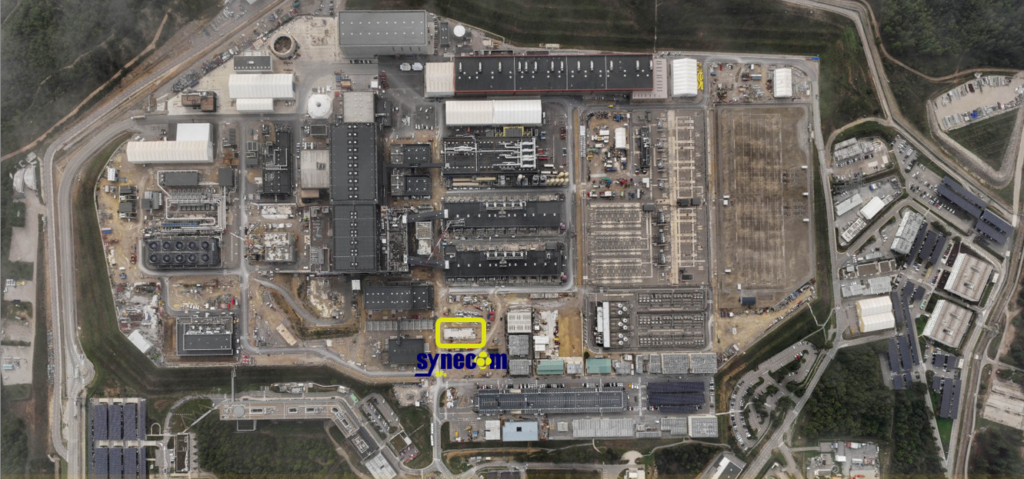
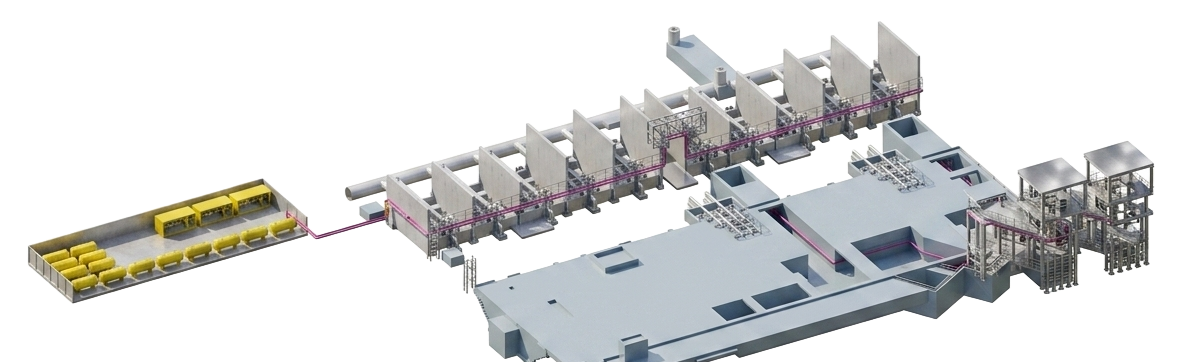
Within the ITER program, Synecom collaborated with ITER Organization on the development of the SF6 distribution system, a critical infrastructure supporting high-voltage applications in a highly controlled and safety-driven environment.
The project was defined not as a traditional supplier relationship, but as a structured co-engineering process involving technical panels, the CRO, and ITER environmental stakeholders.
The primary focus was the reduction of SF6 emissions risk across the entire system lifecycle, including both operational phases and gas management processes.
2. Objective
Design and deliver an SF6 distribution system capable of:
- ensuring maximum containment integrity and operational safety
- minimizing potential SF6 emissions during operation
- integrating advanced leak detection and continuous monitoring systems
- supporting ITER environmental and safety objectives
- improving the sustainability profile of SF6 lifecycle management
3. Challenge
SF6 is a gas characterized by:
- extremely high Global Warming Potential (GWP)
- strict handling and containment requirements
- environmental sensitivity across its full lifecycle
The project required:
- ultra-high system tightness and reliability
- continuous monitoring of potential leakage points
- alignment with stringent ITER environmental standards
- reduction of environmental impact not only in operation, but also upstream and downstream in the gas lifecycle
The challenge extended beyond engineering design to include the overall environmental footprint of SF6 production, use, and end-of-life treatment.
4. Solution
Synecom developed a co-engineering approach with ITER aimed at integrating technical performance with environmental optimization.
The solution included:
- high-integrity SF6 distribution system design
- continuous monitoring and advanced leak detection
- integration of proprietary F-Green technology (real-time SF6 monitoring system for pressure, temperature, density and dew point, enabling predictive maintenance and early leak detection) for emission control
- full system alignment with ITER safety and environmental requirements
A key engineering contribution was the introduction of a lifecycle-oriented optimization strategy, addressing not only system containment but also supply chain sustainability.
5. Sustainable Engineering Contribution
Synecom proposed and supported the adoption of:
- 30% regenerated SF6 in place of exclusively virgin gas
This solution was based on a technical and environmental analysis showing that:
- regenerated SF6 meets required purity and performance specifications
- partial substitution significantly reduces demand for newly produced gas
- SF6 production and destruction processes are highly energy-intensive and climate-impacting
The adoption of regenerated gas therefore reduces the overall environmental footprint associated with:
- gas production
- logistics and supply chain
- end-of-life treatment
6. Implementation
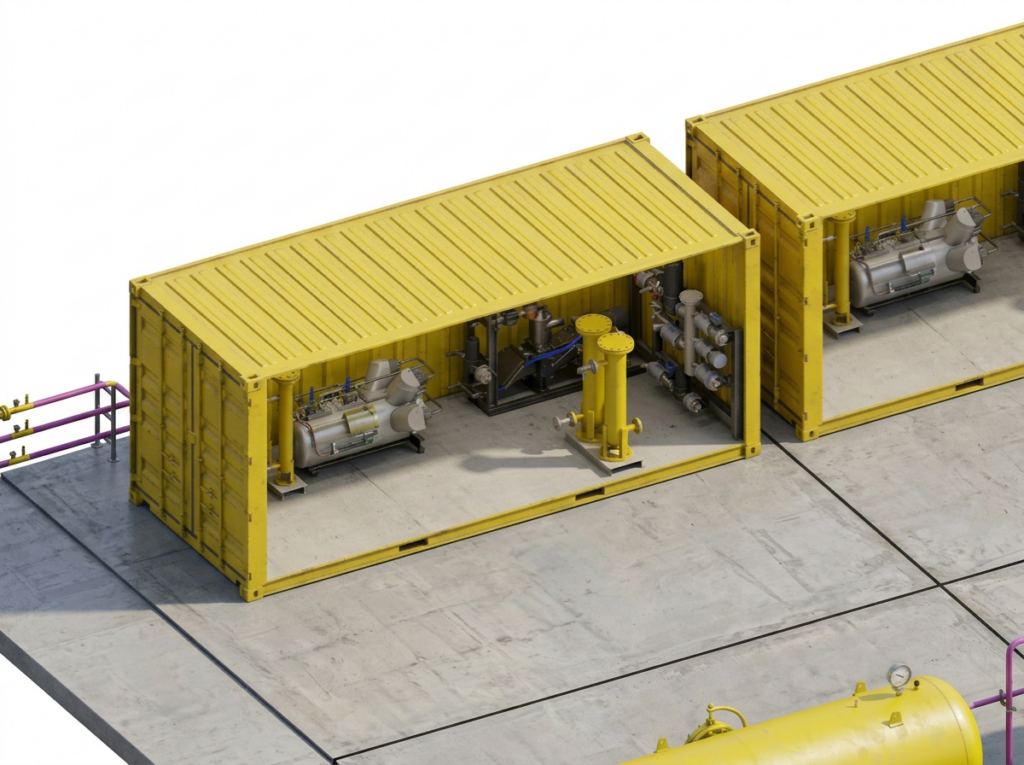
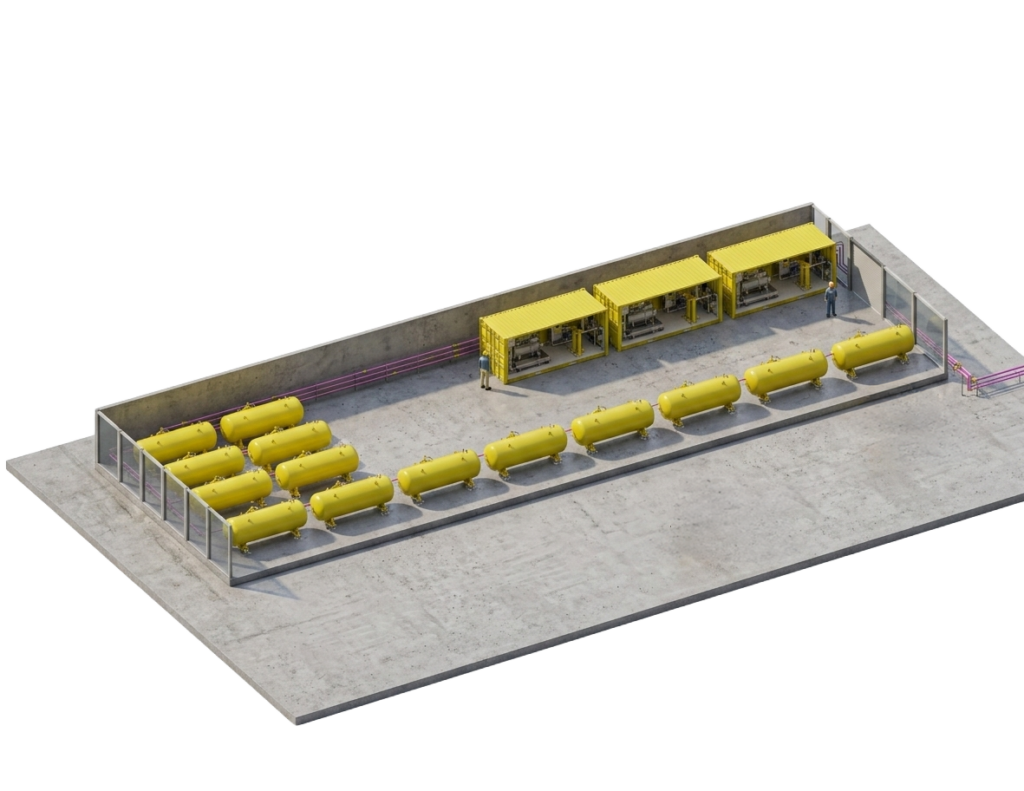
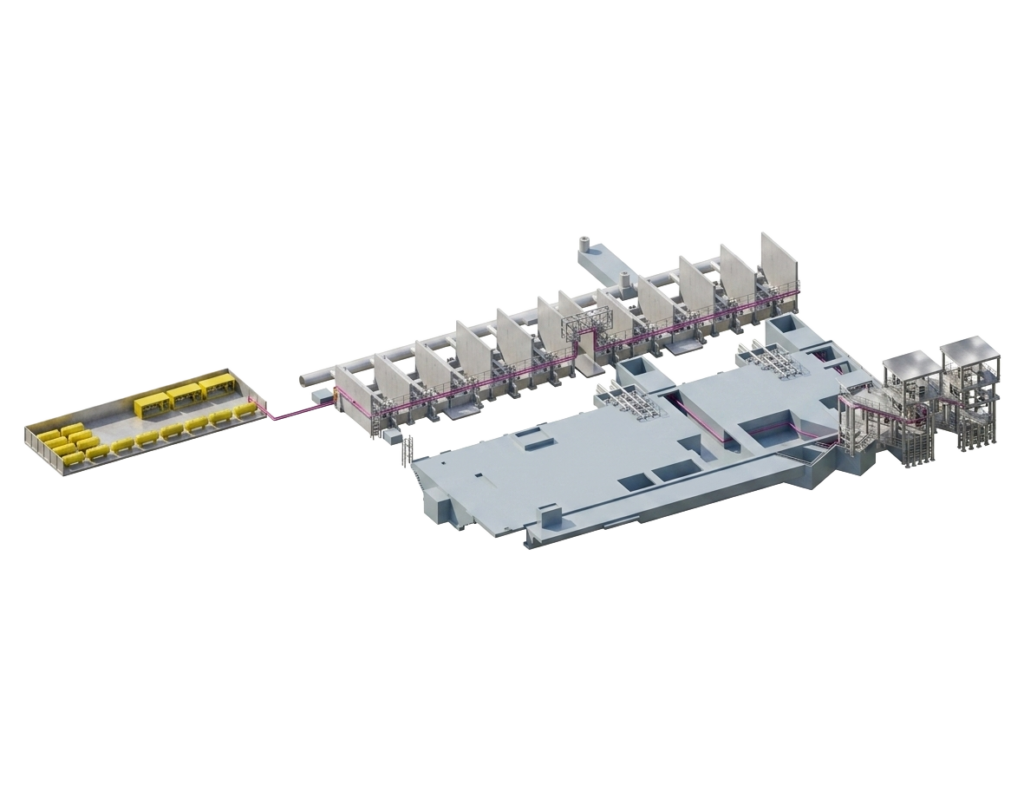
The system was implemented as a fully integrated high-integrity distribution network incorporating:
- continuous monitoring systems
- advanced leak detection architecture
- controlled distribution and management lines
- integration of proprietary F-Green technology (real-time SF6 monitoring system for pressure, temperature, density and dew point, enabling predictive maintenance and early leak detection) for emission control
- full compliance with ITER operational safety standards
The co-engineering model ensured constant technical alignment with ITER stakeholders throughout design and implementation phases.
7. Quality & Environmental Control
The system was designed with a strong focus on:
- containment reliability under all operating conditions
- real-time leakage detection and alarm systems
- continuous performance monitoring
- reduction of fugitive emissions risk
Environmental performance was evaluated not only at system level but across the entire SF6 lifecycle.
8. Results
- Delivery of a high-integrity SF6 distribution system for ITER
- Strong reduction of emission risk through advanced monitoring and containment design
- Integration of F-Green technology for enhanced environmental control
- Introduction of 30% regenerated SF6 into the supply model
- Reduction of overall environmental impact linked to SF6 lifecycle
- Full alignment with ITER safety and sustainability objectives
- Introduce innovative solutions with a measurable impact on the carbon footprint.
- Support global research leaders in managing high-impact industrial gases responsibly.
9. Strategic Value
The project demonstrates a shift from traditional plant engineering to a co-engineered sustainability model.
Synecom acted not only as a technology provider, but as an engineering partner capable of:
- improving system design through environmental analysis
- introducing solutions with measurable sustainability impact
- supporting ITER in reducing the environmental footprint of high-impact industrial gases
The result is an infrastructure that combines technical reliability, safety, and a concrete reduction in environmental impact across the SF6 value chain.